Tech & Cybersecurity
For SSL, hosting, web security, digital safety, etc.
-
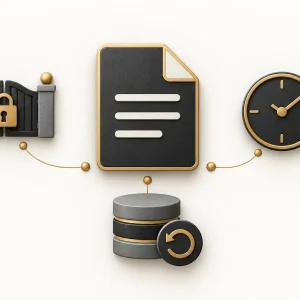
Your app says ‘file deleted’. What does that actually mean?
Separate expired access, removed active files and recoverable copies, then use a practical worksheet to check what your product can honestly promise.
-
The security update cannot wait: how to prioritise urgent fixes
Use a fictional delivery scenario to turn an urgent vulnerability alert into an owned plan for mitigation, testing and stakeholder communication.
-
Post-quantum security: what product and delivery teams need to understand
Understand post-quantum migration through a fictional service, a plain-language glossary and practical questions for suppliers and technical owners.
-
Who else is connected to your messaging account?
Review messaging-account access, understand linked devices and practise checking an unexpected request with a fictional tech-event scenario.
-
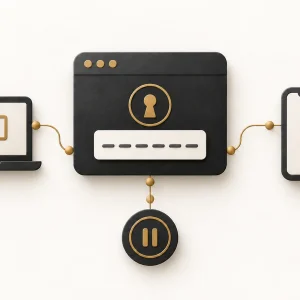
Why a real Microsoft sign-in page can still be part of a scam
Understand device-code phishing through two fictional sign-in journeys, then learn which questions to ask before authorising a device.
-
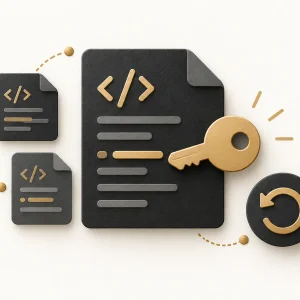
You pushed an API key to GitHub. What should you do next?
Follow a fictional API-key leak from discovery to recovery, then use a practical checklist to keep credentials out of your next portfolio project.
-
ClickFix explained: when a fake CAPTCHA asks you to run a command
A fake verification check can ask you to run instructions on your computer. Learn how ClickFix works, when to stop and what to do if you have already interacted.
-
Before You Click ‘Allow’: Cyber Security in the Age of AI
Explore consent phishing, passkeys, AI agents and AI-assisted coding, with practical questions to ask before giving a tool access to your accounts or data.
-
Is your AI summary reliable? Build a five-case evaluation pack
A five-case exercise for checking AI summaries without letting invented actions or deadlines slip into a handover.
-
Before asking AI to fix it again, write a debugging evidence note
Turn repeated AI fixes into a focused investigation with a reading-list example and a reusable debugging evidence note.